AI in Visual Design
by Admin
Posted on 18-11-2025 06:33 AM
AI in visual design is changing the way we create and perceive art, graphics, and layouts. With the integration of artificial intelligence, designers can now streamline their workflows and generate innovative solutions. AI tools not only enhance creativity but also help in automating repetitive tasks, allowing designers to focus more on their artistic vision.
The use of AI technologies, such as machine learning and neural networks, enables designers to analyze and interpret vast amounts of data quickly. This means they can identify trends and preferences that might not be immediately obvious. By tapping into these insights, designers can create more targeted and appealing designs that resonate with audiences.
How AI Tools Enhance Design
There are numerous AI tools available that specifically cater to visual design. These tools can assist in various aspects of the design process, from ideation to final production. For instance, platforms like Canva and Adobe Sensei utilize AI to offer design suggestions based on user input.
- AI-driven color palettes help create visually appealing combinations.
- Automated image editing saves time while maintaining quality.
- Smart layout suggestions streamline the design process.
This not only speeds up work but also encourages experimentation. Designers can explore multiple styles and concepts without the fear of starting from scratch each time!
AI's Role in User Experience
Incorporating AI in visual design significantly impacts user experience (UX). By analyzing user interactions, AI can optimize layouts and visuals to better meet user needs. For example, AI can predict which elements are most engaging and suggest adjustments to enhance usability.
Furthermore, machine learning algorithms can tailor content to fit individual preferences, ensuring that each user has a personalized experience. This level of customization leads to higher engagement rates and can improve overall satisfaction with a product or service.
- Dynamic content adaptation based on user behavior.
- Accessibility improvements through AI-driven design adjustments.
- Real-time feedback loops for continuous optimization.
By focusing on user-centric design, AI tools help create visuals that not only look great but also function seamlessly, making the user’s journey enjoyable.
Challenges of AI in Visual Design
While AI in visual design brings numerous benefits, it also presents challenges that designers must navigate. One major concern is the potential loss of creativity. Some worry that an overreliance on AI might lead to a homogenization of design styles. Creativity is often born from human experience and intuition, which AI cannot fully replicate.
Another challenge is the ethical implications of using AI-generated designs. Issues like copyright and ownership can arise, especially when AI tools learn from existing works. Designers need to be aware of these factors and ensure they are using AI responsibly.
Embracing the Future of Design
Despite the challenges, embracing AI in visual design is essential for staying relevant in today’s fast-paced world. By marrying human creativity with AI capabilities, designers can push boundaries and explore new artistic realms. It's all about finding the right balance between technology and personal touch!
As we move forward, continued innovation in AI tools will give designers even more powerful capabilities. This bodes well for the future of visual design, promising exciting developments that can revolutionize the industry.
- Collaboration between AI and human designers can lead to unique outcomes.
- Staying informed about new technologies is crucial for design professionals.
- Experimenting with AI can spark new ideas and perspectives.
Conclusion
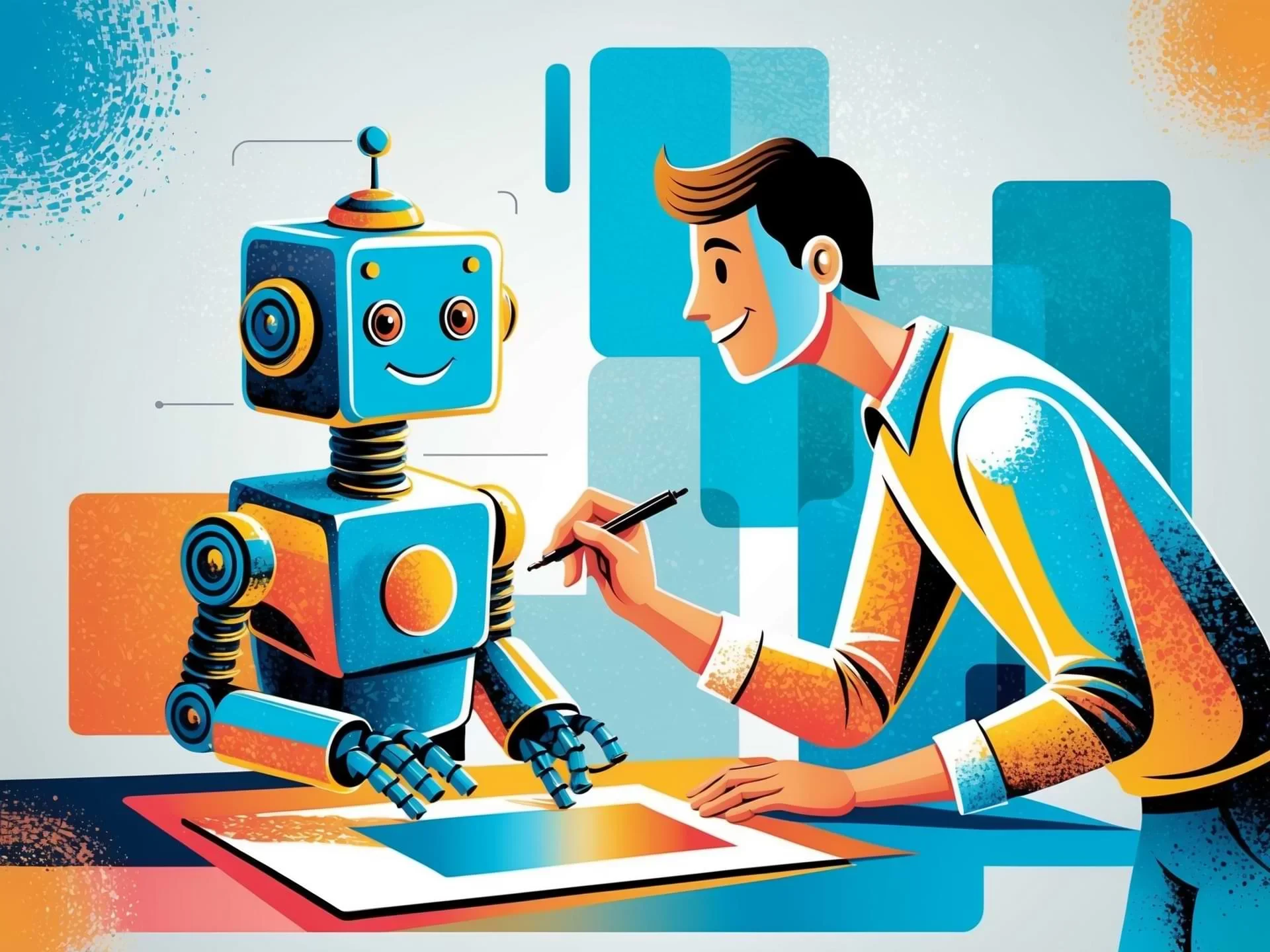
AI in visual design is not just a trend; it’s a powerful tool that can enhance creativity and efficiency. By integrating AI, designers can streamline their processes, improve user experiences, and create stunning visuals that resonate with audiences. However, it’s important to remember the value of human creativity and to use AI as a complement rather than a replacement.
As we continue to explore the possibilities, the future of visual design looks bright, full of potential and innovation. Let’s embrace this exciting journey together!
FAQs about AI in Visual Design
- What is AI in visual design? AI in visual design refers to the integration of artificial intelligence technologies that enhance creativity, streamline workflows, and automate repetitive tasks in the design process.
- How do AI tools enhance the design process? AI tools enhance design by providing design suggestions, automating image editing, and offering smart layout recommendations that speed up work and encourage experimentation.
- What impact does AI have on user experience? AI impacts user experience by optimizing layouts and visuals based on user interactions, predicting engaging elements, and personalizing content for individual users.
- What are some challenges of using AI in visual design? Challenges include the potential loss of creativity due to overreliance on AI and ethical issues surrounding copyright and ownership of AI-generated designs.
- How can designers balance AI and human creativity? Designers can balance AI and human creativity by marrying technology with their personal touch, ensuring AI complements rather than replaces human intuition and experience.
- What is the future of AI in visual design? The future of AI in visual design promises exciting developments as continued innovation in AI tools provides designers with powerful capabilities to push creative boundaries.